

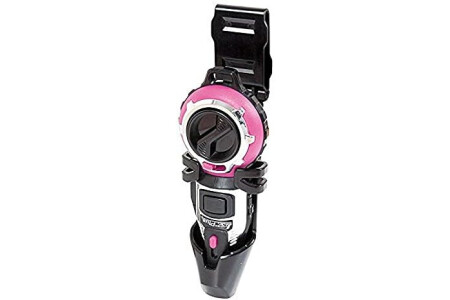
PRODUCT DESCRIPTION Point 1. Tank lid with new locking mechanism. Rubber gasket makes it easy to insert fingers to prevent leakage. Point 2. Hook hole for swivels and a drop prevention cord can be attached so you can work at high altitudes safely. Point 3. Full of ease of use. Safety ring allows for smooth insertion and removal of thick threads. Point 4. Special holder for smooth insertion and removal without having to operate a spencer or lever. Can be attached and removed without wearing the belt (compatible belt size is within 2.0 inches (50 mm), thickness within 0.1 - 0.2 inches (2.5 - 5 mm)). Comes with an ink receiving cup that is safe in the event of leakage AMAZON.COM REVIEW .
Size: Jr.Plus Style: Automatic movement with holder Color: coral red
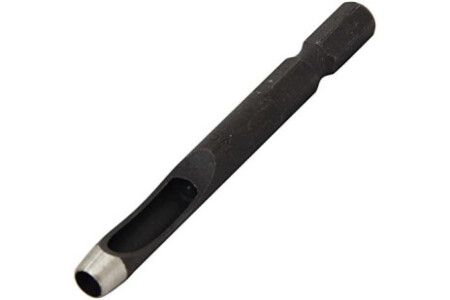
Can be used with electric drills, charging drills, and impact drivers to drill into leather, rubber, vinyl, paper, and drywall [Use] For drilling holes in leather, rubber, vinyl, paper, gypsum boards Features: Can be drilled with electric drills, charging drills, and impact drivers on leather, rubber, vinyl, paper, and drywall The 0.25 inch (6.35 mm) hexagonal shaft allows it to be attached to an impact driver with one touch. [Precautions] Please do not use on hard surfaces. Use horizontally. Please wear protective glasses.
Size: 05mm
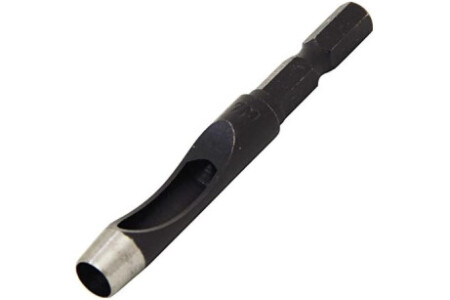
Can be used with electric drills, charging drills, and impact drivers to drill into leather, rubber, vinyl, paper, and drywall [Use] For drilling holes in leather, rubber, vinyl, paper, gypsum boards Features: Can be drilled with electric drills, charging drills, and impact drivers on leather, rubber, vinyl, paper, and drywall The 0.25 inch (6.35 mm) hexagonal shaft allows it to be attached to an impact driver with one touch. [Precautions] Please do not use on hard surfaces. Use horizontally. Please wear protective glasses.
Size: 07mm
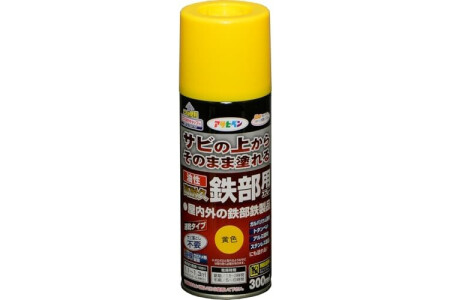
Formulated with a special anti-rust agent, this iron paint can be applied directly over rust without dropping rust. Can also be applied to galbarium steel plates, aluminum, stainless steel, etc. This is a business item
Color: 黄色 Size: 300ml
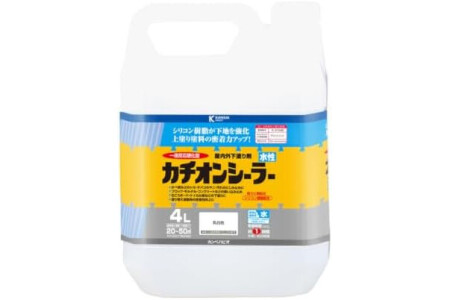
Features: Improved adhesion. ] Cationic positive ions, raw material, negative ions from previous coating films, electrically attract and enhance adhesion. ■ Improved adhesion & durability. ] Reactive hardening type with silicone formula further improves adhesion and durability. ■[Easy to Handle] Water based so it has a weak odor and is easy to handle. Uses: (Primer for building materials) blocks, mortar, concrete, siding (excluding ceramics), etc.; (Various primers) Indoor vinyl wallpaper, gypsum board, silicon board; (For better adhesion) When repainting exterior walls, old paint film; (Cannot be painted) Do not use for purposes other than indicated ■ Cannot be used on smooth surfaces, specially processed materials, silicone resin, fluorine resin, tile, ceramic, natural stone, special waterproof treated materials, etc. ■Pools / bathtubs / bathroom floors / ponds [drying / painting weight time] [20℃] Drying time: about 1 hour Paint weight time: about 2 hours or more [Winter] Drying time: about 2 hours Painting weight time: about 4 hours or more [Coating area (1 coat)] 2L: square meter: about 10 ~ 25 m² Tami's Space. Approx. 12 sheets 4L: square meter: Approx. 20 ~ 50 m² Tatami width: Approx. 24 sheets 7L: square meter: Approx. 35 ~ 85 m² Tatami width: Approx. 42 sheets 14L: square meter: Approx. 70 ~ 170 m² Tatami area Approx. 84 Product Contents: Please use our "Oil Based Sealer" for cement tiles, slate tiles, etc. ■ Please use the roller tray (metal container will not rust) when using. ■Please do not dilute this product. ■Do not mix with other paints. Do not use other paints and tools such as a brush or roller to harden. ■Color changes when dry. It is milky white liquid but dries almost clear. ■Do not allow moisture until it dries to the bathroom, toilet, and washroom should be kept away from water and steam for more than one day after painting. ■About the drying time: The display of the painting area may vary slightly depending on the weather conditions, the material, shape, and how to apply. 【Cleaning tools】 Water (do not dilute it), use as is. )
Size: 4L
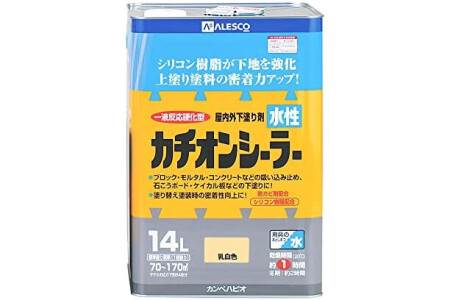
Features: Improved adhesion. ] Cationic positive ions, raw material, negative ions from previous coating films, electrically attract and enhance adhesion. ■ Improved adhesion & durability. ] Reactive hardening type with silicone formula further improves adhesion and durability. ■[Easy to Handle] Water based so it has a weak odor and is easy to handle. Uses: (Primer for building materials) blocks, mortar, concrete, siding (excluding ceramics), etc.; (Various primers) Indoor vinyl wallpaper, gypsum board, silicon board; (For better adhesion) When repainting exterior walls, old paint film; (Cannot be painted) Do not use for purposes other than indicated ■ Cannot be used on smooth surfaces, specially processed materials, silicone resin, fluorine resin, tile, ceramic, natural stone, special waterproof treated materials, etc. ■Pools / bathtubs / bathroom floors / ponds [drying / painting weight time] [20℃] Drying time: about 1 hour Paint weight time: about 2 hours or more [Winter] Drying time: about 2 hours Painting weight time: about 4 hours or more [Coating area (1 coat)] 2L: square meter: about 10 ~ 25 m² Tami's Space. Approx. 12 sheets 4L: square meter: Approx. 20 ~ 50 m² Tatami width: Approx. 24 sheets 7L: square meter: Approx. 35 ~ 85 m² Tatami width: Approx. 42 sheets 14L: square meter: Approx. 70 ~ 170 m² Tatami area Approx. 84 Product Contents: Please use our "Oil Based Sealer" for cement tiles, slate tiles, etc. ■ Please use the roller tray (metal container will not rust) when using. ■Please do not dilute this product. ■Do not mix with other paints. Do not use other paints and tools such as a brush or roller to harden. ■Color changes when dry. It is milky white liquid but dries almost clear. ■Do not allow moisture until it dries to the bathroom, toilet, and washroom should be kept away from water and steam for more than one day after painting. ■About the drying time: The display of the painting area may vary slightly depending on the weather conditions, the material, shape, and how to apply. 【Cleaning tools】 Water (do not dilute it), use as is. )
Size: 14L
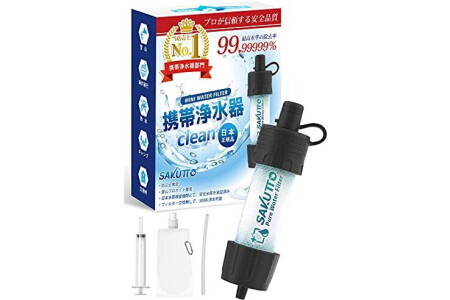
【Protect your precious family from disasters! The SAKUTTO Portable Water Filter can filter river water, pond water, or muddy water into clear and clean drinking water that you can safely drink during emergencies such as disasters or water outages 【Lightweight Compact Design】This palm-sized, easy-to-carry filter is suitable for outdoor activities such as camping, hiking, and survival Portable Water Filter Size 3.5 cm × 14 cm × 3.5 cm Portable Water Filter Weight 50g 【Recommended by Disaster Prevention Experts & Mountain Climbing Professional Guides】 In emergencies such as earthquakes and tsunamis, securing drinking water is considered the most important However, if you drink water from rivers, ponds, or leftover bathwater without disinfecting it, it can cause health issues When you have the SAKUTTO portable filter, the special structure inside the unit effectively removes bacteria and protozoa cysts (such as E. coli and cholera bacteria), filtering water into safe and clean drinking water Natural disasters come suddenly Disaster prevention experts recommend stocking up on disaster prevention goods early 【Supervised by water professionals with strict water quality standards】In compliance with the Food Sanitation Law as stipulated by the Ministry of Health, Labor and Welfare is a given, it has easily passed the stringent inspection standards within Japan, and has undergone triple inspection for safety (quality and water quality) by one agency abroad and two agencies within Japan It is of such safe quality that even water quality testing professionals trust it The test results are posted on the 4th page of the product page 【Developed, managed, and overseen by a Japanese company】SAKUTTO Portable Water Filter, which has demonstrated a removal rate of 99.99999% at the highest standard by domestic water quality testing institutions, is developed, managed, and overseen by a Japanese company. Each product undergoes meticulous management and thorough inspection Additionally, a Japanese instruction manual and warranty are included, and we offer a manufacturer
Style: Introduced on TBS Adventure Boy Escape Island
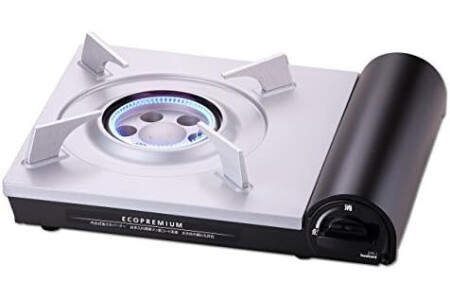
- The inner flame type Eco Burner with flame coming out inside suppresses unnecessary flames that spill from the bottom of the pot Superior heating efficiency, saving 16% energy compared to regular burners - The top is coated with glossy silver fluorocarbon, giving it an advanced, sharp, and luxurious design - The glossy silver fluorine coating provides high durability and long-lasting effectiveness Stain resistant and easy to clean - This product can use a 10-gou clay pot (diameter about 30 cm). (Previous models could only use up to a 9-gou clay pot) - Product size: W 13.5 x D 11.1 x H 3.5 inches (W 344 x D 282 x H 89 mm). Product weight: Approx. 3.3 lbs (1.5 kg). Color: Silver & Matte Black. Materials: Body: Steel plate (static electricity coating), Top plate: Fluorine pre-coat steel plate, Trivet: Heat-resistant aluminum die-cast, Burner: Heat-resistant aluminum + Alstar steel plate, Ignition knob: ABS resin. Maximum heating volume: 2.9 kW (2,500 kcal/h). Continuous burning time: Approx. 72 minutes (actual measurement of time taken until gas canister is used up when continuously burning on high flame at a temperature of 68.0 to 77.0°F (20 to 25°C)). Ignition method: Piezoelectric ignition method. Safety device: Pressure sensing safety device. Canister Attachment Method: Magnet. Gas used: Iwatani gas canisters. Country of origin: Japan - The cassette gas is sold separately
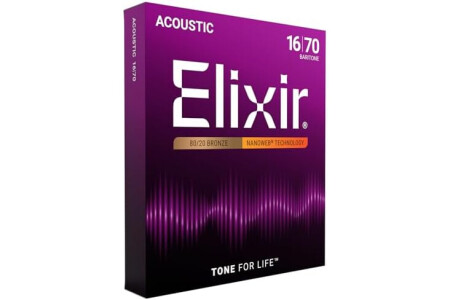
PRODUCT DESCRIPTION Special advanced polymer technology protects the winding strings from sweat, body oil and dirt, and prevents corrosion, making it an innovative string that lasts 3 to 5 times longer than ordinary strings without coating. Since its launch in 1997, it has been acclaimed by numerous professional and amateur musicians around the world. ■ Coated wound strings The elixir coated wound strings come in two different coatings. Both have the same long life, but there are differences in sound quality and feel. The elixer has an ultra-thin nano-web coating. Uncoated string bright and powerful sound. Moderately held finger noise. The elixer with an original polyweb coating is... Elegant, balanced and muted sound. The noisy finger noise is trapped to a very small level of smoothness. ■Anti-rust (anti-rust = anti-rust) plain strings The newly developed plain strings with a special corrosion resistant treatment that prevents rust and corrosion without altering the sound quality, and has been successfully extended by 3 to 5 times its lifespan compared to traditional plain strings. This breakthrough process improves the life of plain and coated wound strings, giving you a fresh feel and tone when re-strunging longer than ever. 80/20 bronze - Baritone (.016 .022 .030 .047 .059 .070) This product is a Japanese agent. For parallel import goods, please be careful LEGAL DISCLAIMER The price listed as a reference is the manufacturer's estimated price at the time of product launch
Size: Baritone .016-.070 Style: 1 set
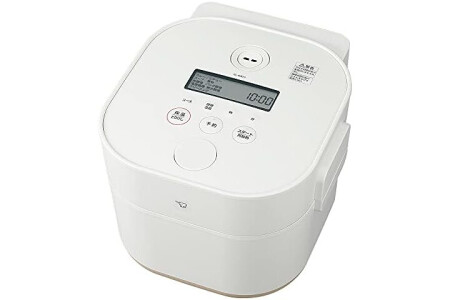
Zojirushi's popular STAN series automatic cooking pot.
Color: white
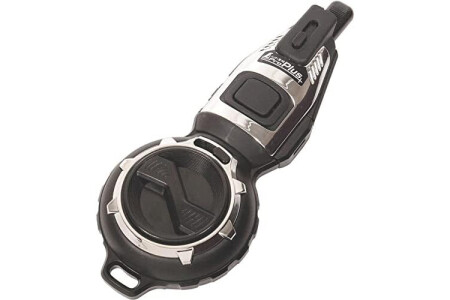
PRODUCT DESCRIPTION Point 1. Tank lid with new locking mechanism. Rubber gasket makes it easy to insert fingers to prevent leakage. Point 2. Hook hole for swivels and a drop prevention cord can be attached so you can work at high altitudes safely. Point 3. Full of ease of use. Safety ring allows for smooth insertion and removal of thick threads AMAZON.COM REVIEW .
Size: Pro Plus Style: Automatic movement Color: Black
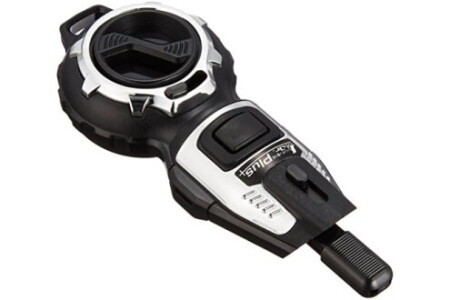
PRODUCT DESCRIPTION Point 1. Tank lid with new locking mechanism. Rubber gasket makes it easy to insert fingers to prevent leakage. Point 2. Hook hole for swivels and a drop prevention cord can be attached so you can work at high altitudes safely. Point 3. Full of ease of use. Safety ring allows for smooth insertion and removal of thick threads. Point 4. Special holder for smooth insertion and removal without having to operate a spencer or lever. Can be attached and removed without wearing the belt (compatible belt size is within 2.0 inches (50 mm), thickness within 0.1 - 0.2 inches (2.5 - 5 mm)). Comes with an ink receiving cup that is safe in the event of leakage AMAZON.COM REVIEW .
Size: Jr.Plus Style: Automatic movement with holder Color: Black

There are products from different external stores in your basket, so a wish for each external store will be created.
Note: You will be able to configure each wish individually before publishing it.

 Spanish
(Español)
Spanish
(Español)
 German
(Deutsche)
German
(Deutsche)
 French
(Français)
French
(Français)
 Italian
(Italiano)
Italian
(Italiano)
 Portuguese
(Portugues)
Portuguese
(Portugues)